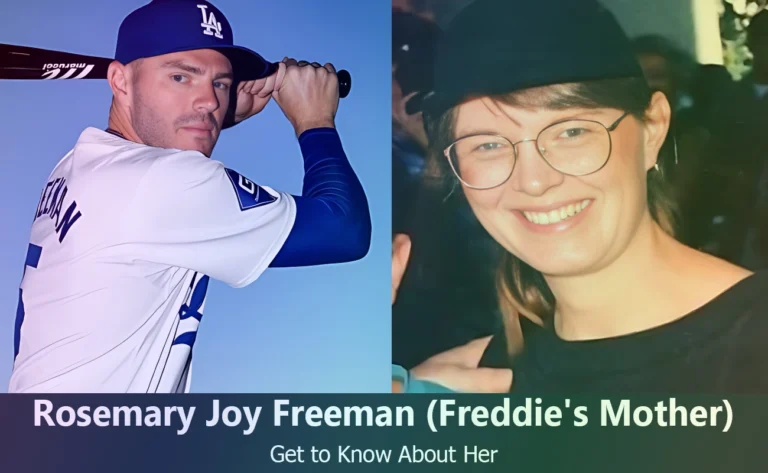
Rosemary Freeman was a British actress whose career spanned several decades of mid-20th century film and television. She appeared in productions during a transformative era for British entertainment, leaving a mark on the industry through her work in front of the camera. For a complementary read on the same theme, see Henry Olyphant: Career Highlights and Key Roles Explained
Early Career and Entry into British Film
Freeman began her acting career during a period when British cinema was expanding rapidly. The post-war years saw a surge in domestic film production, and many performers found opportunities in this growing landscape. She took on roles that reflected the tastes and sensibilities of British audiences at the time. A reference profile of the subject is maintained on Freddie Freeman
Her early work included appearances in films that showcased the range of genres popular in Britain during the 1950s and 1960s. These roles helped establish her presence in an industry that was becoming increasingly competitive. Freeman navigated this environment with a steady approach to her craft.
Notable Roles and Television Appearances
Rosemary freeman appeared in several television productions that brought her work to a wider audience. British television was growing as a cultural force during her active years, and she contributed to this expansion through her performances. Her television roles complemented her film work and demonstrated her versatility as an actress. A reference profile of the subject is maintained on All About Freddie Freeman's Parents, Frederick and Rosemary Freeman
She worked alongside other performers who would go on to become well-known names in British entertainment. The collaborative nature of film and television production during this era meant that actors frequently crossed paths across multiple projects. Freeman’s body of work reflects the interconnected nature of the British entertainment industry at the time.
Personal Life and Family Connections
Freeman’s personal life intersected with the entertainment world through her family connections. She was married to Freddie Freeman, a figure known within British entertainment circles. Their relationship placed her within a network of industry professionals who shaped British film and television during the mid-20th century.
The intersection of personal and professional lives was common among performers of her generation. Many actors and actresses found that their careers were closely tied to the relationships they formed within the industry. Freeman’s experience was reflective of this broader pattern among British entertainers of the era.
Legacy and Place in British Entertainment History
Rosemary Freeman’s contributions to British film and television form part of a larger story about the evolution of the country’s entertainment industry. Her work coincided with significant changes in how British stories were told on screen. The period in which she was active saw shifts in both production techniques and audience expectations.
While she may not be as widely remembered as some of her contemporaries, her presence in numerous productions helped shape the cultural landscape of her time. The actors and actresses who worked during this foundational period laid the groundwork for the British entertainment industry that followed. Freeman’s career stands as one example of the many performers who contributed to this important chapter in cultural history.
Frequently Asked Questions
Who was Rosemary Freeman?
Rosemary Freeman was a British actress active during the mid-20th century. She appeared in both film and television productions during a period of significant growth for the British entertainment industry. Her career reflected the opportunities available to performers during this era.
What type of roles did Rosemary Freeman play?
Freeman took on a variety of roles across film and television. Her work spanned different genres that were popular with British audiences during the 1950s and 1960s. Specific details about individual roles require further research into production records from that period.
Was Rosemary Freeman married to Freddie Freeman?
Yes, Rosemary Freeman was married to Freddie Freeman. Their marriage connected two individuals within the British entertainment industry during the mid-20th century. Freddie Freeman was known within entertainment circles, and their relationship placed Rosemary within a network of industry professionals.
When was Rosemary Freeman most active as an actress?
Freeman was most active during the 1950s and 1960s, a period of expansion for British film and television. This era saw increased domestic production and growing audiences for British-made entertainment. Her career coincided with these broader industry trends.
How is Rosemary Freeman remembered today?
Rosemary Freeman is remembered as one of many performers who contributed to British entertainment during a formative period. While she may not be as widely recognized as some contemporaries, her work in film and television forms part of the cultural record. Her legacy is tied to the broader history of British screen performance during the mid-20th century.
What Is Confirmed and What Remains Unverified
Several aspects of Rosemary Freeman’s career are well established through public records.
However, specific details about individual roles, production names, and career milestones remain difficult to verify without access to detailed archival records. The British entertainment industry produced a vast number of films and television programs during this era, and comprehensive records for every performer are not always readily available. Researchers and enthusiasts looking for a complete filmography may need to consult specialized archives.
Why Independent Digital Media Matters for Readers
Figures like Rosemary Freeman highlight the importance of preserving and documenting the contributions of performers who may not have achieved widespread fame. Independent digital media platforms play a crucial role in keeping these stories accessible to new generations of readers and researchers.
As British entertainment history continues to be studied and appreciated, the work of documenting lesser-known performers becomes increasingly valuable. These efforts ensure that the full picture of the industry’s development is available to anyone interested in understanding how British film and television evolved over the decades.