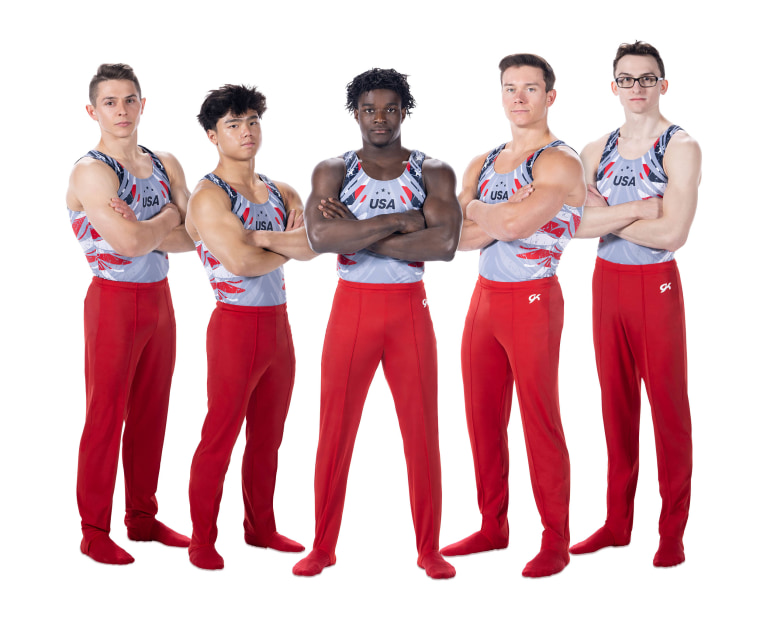
Men’s competitive gymnastics attire has transformed from simple cotton shirts and shorts into highly engineered performance garments. The modern gymnastics outfit men wear today balances strict international regulations with advanced fabric technology designed to support elite athletic performance. Readers exploring gymnastics outfit men will also find context in $700k Lottery Prize Charlotte: What Happened and What Comes Next
How Men’s Gymnastics Attire Varies Across Countries and Competitions
National federations often influence the visual identity of men’s gymnastics kits. Teams from Japan, Great Britain, and the United States frequently feature distinct color schemes and design elements that reflect national branding. At the Olympic Games, each country submits uniform designs approved by both its national federation and the International Gymnastics Federation (FIG). Some nations incorporate traditional patterns or national colors into their competition wear. The level of customization allowed depends on FIG regulations, which govern everything from logo placement to sleeve length. Club-level competitions tend to offer more flexibility in design compared to international events. Regional meets sometimes permit simpler, less branded outfits that prioritize function over visual identity. wikipedia.org/wiki/Rhythmic_gymnastics” rel=”noopener noreferrer” target=”_blank”>Rhythmic gymnastics
How Gymnastics Uniforms Influence Athlete Performance and Public Perception
The design of a gymnastics outfit men compete in directly affects range of motion, ventilation, and comfort during routines. Poorly fitted or restrictive clothing can hinder execution on apparatus like the rings, parallel bars, and high bar. Beyond performance, uniforms shape how audiences and judges perceive gymnasts. Clean, well-fitted attire contributes to a polished presentation, which can influence artistic impression scores in disciplines that include choreography. Social media has amplified interest in gymnastics fashion, with fans often discussing uniform designs alongside athletic results. Some athletes have noted that feeling confident in their competition wear positively affects their mental preparation before routines.
The Origins and Evolution of Men’s Competitive Gymnastics Clothing
Men’s gymnastics attire traces its roots to early 19th-century European physical education programs, where participants wore basic athletic clothing similar to military training uniforms. By the early 20th century, as gymnastics became a formalized Olympic sport at the 1896 Athens Games, competitors typically wore long-sleeved shirts and full-length trousers. The mid-20th century saw a gradual shift toward shorter, more fitted garments as the sport’s athletic demands increased. Synthetic fabrics like Lycra and elastane entered the market in the 1970s and 1980s, replacing cotton as the primary material. These new textiles offered superior stretch, moisture management, and durability. The FIG began codifying uniform requirements more precisely during this period, establishing guidelines that remain the foundation of today’s regulations. gkelite.com/collections/gk-gym-men” rel=”noopener noreferrer nofollow” target=”_blank”>Gymnastics Men Apparel | GK Elite
Common Misconceptions About Men’s Gymnastics Competition Attire
One widespread misconception is that men’s gymnastics outfits are identical to those worn in women’s artistic gymnastics. In reality, men’s competition attire follows a completely different set of standards. Male gymnasts typically wear a sleeveless or short-sleeved top paired with shorts or long fitted pants depending on the apparatus. Another misconception is that uniform rules are purely aesthetic. FIG regulations serve practical purposes including ensuring fair judging by preventing hidden support garments and maintaining consistent presentation across competitors. Some observers assume that elite gymnasts have full freedom to choose their competition outfits. In fact, designs must be submitted for approval and must comply with detailed specifications regarding coverage, fit, and decoration. The belief that tighter always means better is also misleading, as excessively restrictive clothing can impair circulation and movement quality.
| Uniform Element | FIG Regulation Standard |
|---|---|
| Men’s competition top | Sleeveless or short-sleeved; must fit close to the body |
| Men’s competition bottom | Shorts or long pants; white or matching team color |
| National federation logo | Permitted within specified size limits on chest area |
| Footwear | Gymnastics shoes or socks; barefoot permitted on some apparatus |
Frequently Asked Questions
When did men’s gymnastics uniforms first become standardized by international rules?
The International Gymnastics Federation began formalizing uniform requirements during the mid-20th century, particularly as synthetic fabrics like Lycra entered competition in the 1970s and 1980s. Detailed written standards were refined over subsequent decades to ensure consistency across international events.
How does a men’s artistic gymnastics outfit differ from a rhythmic gymnastics outfit?
Men’s artistic gymnastics attire typically consists of a fitted top with shorts or long pants designed for high-impact apparatus work. Rhythmic gymnastics outfits, worn exclusively by women, are one-piece leotards with flowing skirts or panels, designed for flexibility and visual expression during choreographed routines with apparatus like ribbons and hoops.
Where are the current FIG uniform regulations for men’s gymnastics published?
The current regulations are published in the FIG’s official Code of Points and Apparatus Norms documents, which are updated periodically and made available through the International Gymnastics Federation’s official website for member federations and certified judges.
How many pieces typically make up a male gymnast’s competition uniform set?
A standard men’s competition set generally includes two to three pieces: a top, a bottom, and optionally gymnastics shoes or socks. Some athletes also use wrist grips and chalk accessories, though these are considered equipment rather than uniform components under FIG classification.
What is the primary fabric used in modern men’s competition gymnastics wear?
Modern competition garments are predominantly made from synthetic blends incorporating elastane or Lycra for stretch, combined with polyester or nylon for durability and moisture-wicking properties. These materials replaced cotton decades ago due to their superior performance characteristics during high-intensity routines.