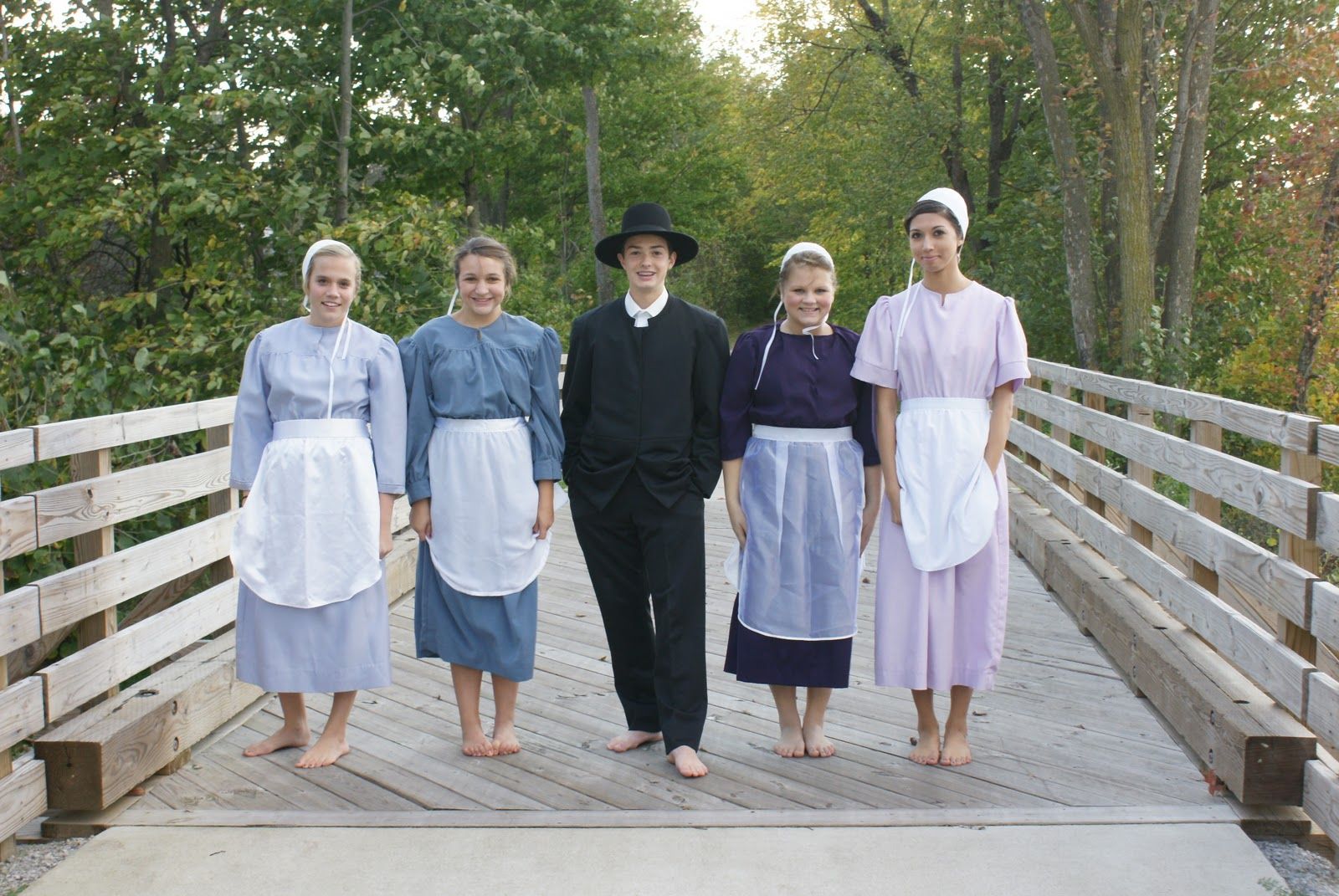
Search interest in amish women has grown steadily as readers seek to understand how faith, labor, and gender roles intersect in one of North America’s most recognizable plain communities. Readers exploring amish women will also find context in $700k Lottery Prize Charlotte: What Happened and What Comes Next
Common Misconceptions About Amish Women Clarified
One widespread assumption is that amish women have no influence within their communities. In practice, women manage household finances, oversee gardens and food preservation, and often coordinate extended family labor. Their work directly sustains the economic viability of the household. wikipedia.org/wiki/Amish” rel=”noopener noreferrer” target=”_blank”>Amish
Another misconception is that all amish women dress identically. While plain dress is a shared standard, fabric colors, bonnet styles, and apron customs vary by settlement and affiliation. The Old Order Amish and the Beachy Amish, for example, follow markedly different dress codes.
It is also often assumed that amish women receive no formal education beyond elementary school. Many settlements operate their own one-room schoolhouses where children study through eighth grade, and some women go on to teach in these schools themselves. com/2025/11/7-rules-amish-women-must-follow-and-so-should-the-rest-of-women-in-america” rel=”noopener noreferrer nofollow” target=”_blank”>7 Rules Amish Women Must Follow And So Should The Rest Of Women In …
What Is Publicly Confirmed and What Remains Unverified
Church membership is voluntary, and individuals must choose to be baptized before marriage can proceed.
Bishops, ministers, and deacons are selected from among the men. However, women participate in congregational decisions through voting in certain church matters.
What remains less clear is the precise extent of women’s informal authority in family and community decisions. Because amish culture emphasizes humility and avoids self-promotion, women’s behind-the-scenes influence is difficult to measure and is not systematically recorded in public sources.
Key Moments in the Public Understanding of Amish Women
Public awareness of amish life increased significantly in the late twentieth century. The 1985 film “Witness” brought amish communities into mainstream popular culture, though it focused primarily on male characters and did not explore women’s roles in depth.
In the early 2000s, several books by former amish women offered firsthand accounts of life inside plain communities. These memoirs provided rare insight into the expectations placed on girls and young women, including courtship customs and the transition to married life.
More recently, documentary projects and academic studies have examined how amish women navigate healthcare decisions, childbirth practices, and interactions with the outside world. Researchers at institutions such as Elizabethtown College’s Young Center for Anabaptist and Pietist Studies have contributed peer-reviewed work on these topics.
Regional and Demographic Variations in Amish Women’s Experiences
Amish settlements differ considerably by region. Communities in Lancaster County, Pennsylvania, are among the oldest and most established, with traditions that have been passed down for generations. Newer settlements in states like Wisconsin, Ohio, and New York may follow different interpretations of the Ordnung, the unwritten set of community rules.
Women’s daily routines also vary depending on whether their settlement permits limited interaction with non-amish neighbors. In some communities, women sell baked goods, quilts, and produce at roadside stands or farmers’ markets. In more conservative settlements, such commerce may be handled primarily by men.
With high birth rates and strong retention, the number of amish communities across the United States and Canada has expanded substantially over the past several decades. This growth means that the experiences of amish women today may differ from those of previous generations.
| Aspect | Old Order Amish | Beachy Amish |
|---|---|---|
| Dress code | Plain, cape dresses, bonnets required | Modest but may include contemporary styles |
| Clergy roles | Men only | Women may serve in some leadership roles |
| Technology use | Limited; no electricity in homes | More permissive; cars and phones allowed |
These differences mean that generalizing about amish women as a single group can obscure important distinctions. Readers interested in the topic may also find related coverage of how unexpected windfalls affect small communities a useful comparison for understanding how sudden change intersects with traditional values.
Frequently Asked Questions
Why do amish women wear bonnets and plain dresses?
Amish women wear bonnets and plain dresses as an expression of religious commitment to modesty and separation from worldly fashion. The practice is rooted in Anabaptist interpretations of biblical teachings on humility and nonconformity with the outside world.
Is it true that amish women are forbidden from working outside the home?
This is partially a misconception. While many amish women focus on domestic responsibilities, some operate home-based businesses such as baking, quilting, or produce sales. Others work as teachers in amish schoolhouses or in family-run shops and workshops.
What is the role of amish women in church decisions?
Amish women do not hold ordained clergy positions, but they participate in congregational life. They may vote on certain church matters and contribute to discussions about community rules, though formal leadership roles are reserved for baptized men.
How many amish women live in the United States today?
However, estimates from researchers suggest the total amish population in the United States exceeds 350,000, with women comprising roughly half of that number.
Are amish women still expected to have large families?
Large families remain common in many amish communities due to religious beliefs about children as blessings and the practical need for labor on farms. However, family size can vary, and some couples may have fewer children depending on personal circumstances and health considerations.