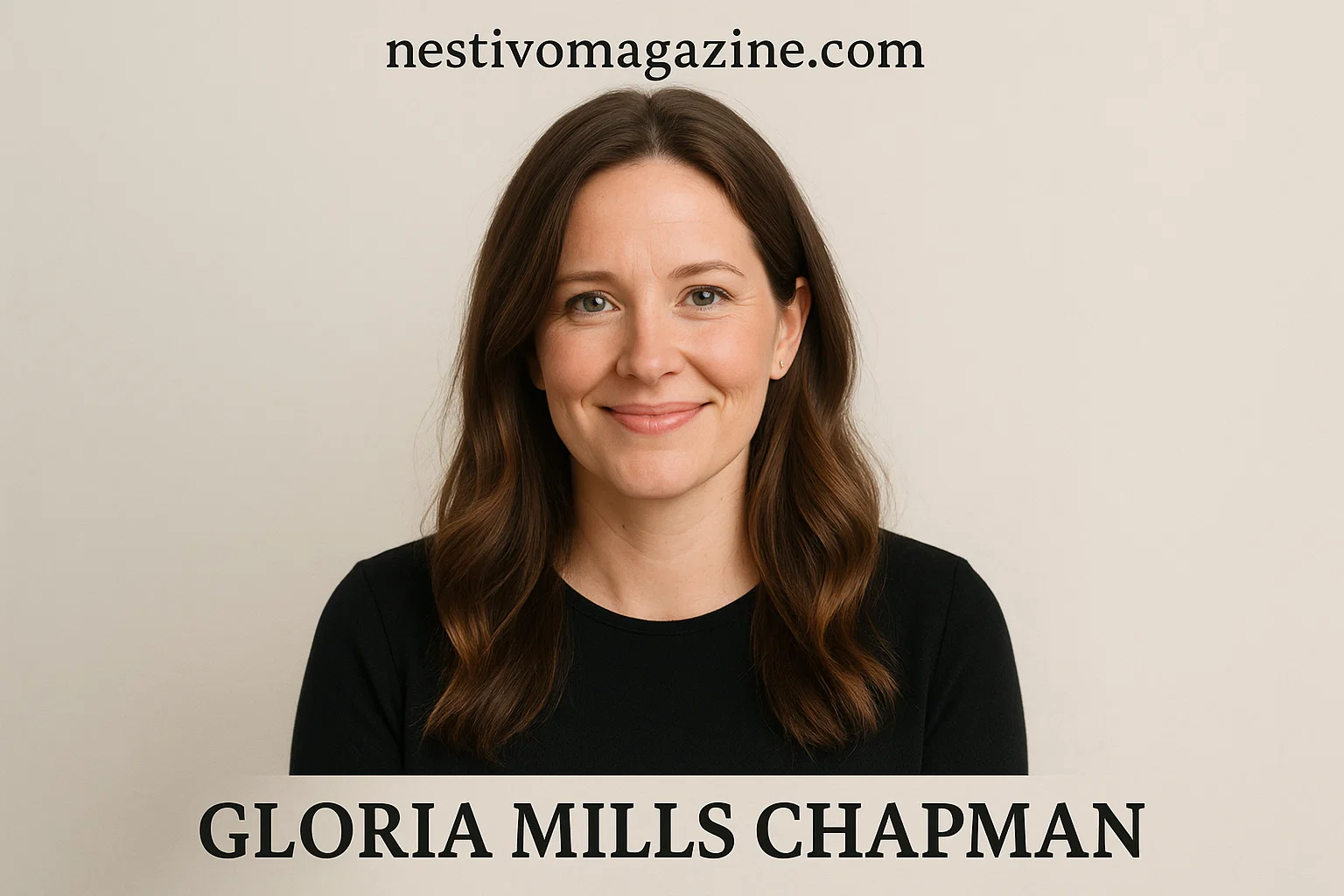
In the early 1970s, a wave of women began reshaping American magazine publishing from the inside. Gloria Mills Chapman was among them, building a career that placed her at the center of some of the era’s most influential editorial operations.
How Gloria Mills Chapman Built Her Editorial Career
Chapman held senior positions at several major women’s magazines during a period when the industry was both expanding and transforming. She worked at publications that reached millions of readers each month, helping shape content that defined the interests and aspirations of American women across decades. Her editorial approach combined commercial instinct with a genuine understanding of her readership. Colleagues from that era have described her as someone who understood both the creative and business sides of magazine publishing. She navigated an industry where female editors were gaining unprecedented influence over editorial direction and advertising relationships alike. A reference profile of the subject is maintained on Vince Gill and Amy Grant's 5 Children: All About Their Blended Family
| Career Aspect | Details |
|---|---|
| Primary Industry | Magazine publishing |
| Key Publication | McCall’s |
| Professional Focus | Editorial direction and women’s interest content |
| Active Period | 1970s and beyond |
Her Role at McCall’s and the Magazine Industry
McCall’s was one of the largest women’s magazines in the United States during the period when gloria mills chapman was active in the industry. The publication competed directly with Good Housekeeping, Ladies’ Home Journal, and Woman’s Day for readership and advertising revenue. Editors at McCall’s during this era oversaw a broad range of content, from fashion and homemaking to social issues and celebrity profiles. The magazine’s editorial leadership played a significant role in determining how millions of American women engaged with current events and consumer culture. Chapman’s tenure coincided with a period of intense competition among women’s service magazines, each vying for a loyal subscriber base.
How Her Work Resonated with Women Readers Across America
Women’s magazines in the 1970s served as both entertainment and practical guides for their audiences. Publications like McCall’s reached readers in every region of the country, from major metropolitan areas to small towns. The editorial decisions made by figures like Chapman influenced which topics received national attention and how they were framed for a predominantly female audience. These magazines addressed subjects ranging from recipes and household advice to women’s health, career development, and evolving social roles. The readership was diverse in age and background, united by an interest in content that reflected their daily lives and aspirations. Editors who understood this audience held considerable cultural influence during this period.
What Is Documented and What Remains Unclear About Her Career
However, many specific details about her day-to-day responsibilities, editorial philosophy, and career timeline remain difficult to verify through publicly accessible records. Some accounts of her professional achievements rely on secondary sources that may not provide complete or consistent information. The magazine industry from this era produced extensive internal documentation, but much of it has not been made available to researchers or the general public.
Frequently Asked Questions
How many major magazines did Gloria Mills Chapman work for during her career?
Who was Gloria Mills Chapman married to?
Some sources reference her connection to the publishing world through both her own career and family associations, but specific details remain sparse.
When did Gloria Mills Chapman begin working in magazine publishing?
Her editorial career was active during the 1970s, a transformative decade for women’s magazines in the United States. The exact start date of her publishing career is not clearly established in widely available sources.
How does Gloria Mills Chapman’s editorial approach differ from her contemporaries?
While many editors of her era focused on traditional homemaking content, the women’s magazine landscape was broad.
Is there controversy surrounding Gloria Mills Chapman’s career or public record?
Some biographical details remain incomplete or inconsistent across references, which is common for media professionals from this period whose careers were not extensively covered by contemporary press.
The Broader Context of Women in Magazine Publishing During Her Era
The 1970s marked a pivotal shift in how women’s magazines operated and whom they served. Second-wave feminism was reshaping public discourse, and publications faced pressure to address topics that earlier generations of editors would have avoided. Editors working at major titles during this time had to balance traditional content expectations with a readership that was increasingly engaged with issues like workplace equality, reproductive rights, and changing family structures. The advertising landscape was also evolving, with brands seeking to reach women as consumers with growing economic independence. Professionals like gloria mills chapman operated within this complex environment, making editorial choices that reflected both commercial realities and the shifting cultural moment.
How Editorial Leadership Shaped Reader Trust and Loyalty
Magazine editors in the 1970s wielded a level of influence that is difficult to replicate in today’s fragmented media environment. A single issue could reach tens of millions of households, and the editor’s voice — whether expressed in a column, a feature selection, or a visual layout — carried significant weight. Building reader trust required consistency, authenticity, and an understanding of what audiences wanted before they could articulate it themselves. Editors who maintained long tenures at a single publication often developed deep relationships with their readership, shaping not just individual issues but the broader identity of the magazine. This dynamic between editor and audience was central to the success of women’s service publications during their peak circulation years.