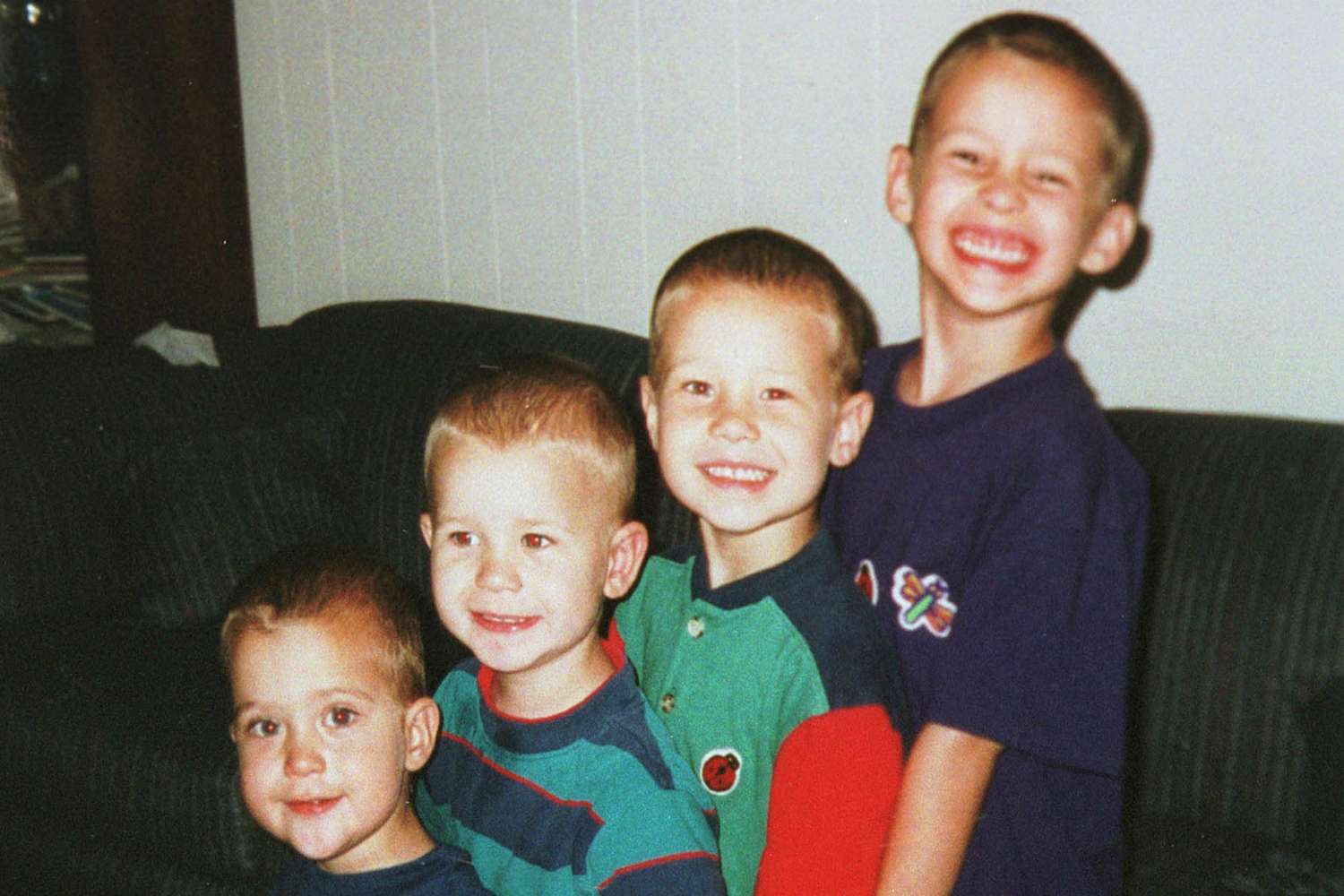
Noah Yates was five years old when his mother, Andrea Yates, drowned all five of his siblings in a bathtub in Houston on June 20, 2001. He survived because he was staying with his grandmother that morning. The case drew national attention and sparked widespread debate about postpartum psychosis and the criminal justice system.
How Noah Yates Differs from His Siblings in Public Records
Noah is the only one of the Yates children who survived the events of 2001. His siblings — John, Paul, Luke, and Mary — ranged in age from six months to seven years at the time of their deaths. Because Noah was not present during the incident, his experience and subsequent life have followed a markedly different trajectory. While his siblings are remembered primarily through coverage of the trial and its aftermath, Noah has grown up largely outside the public eye. His father, Rusty Yates, has occasionally spoken publicly about the family, but Noah himself has not given known interviews or made public statements as an adult. The contrast between Noah’s private life and the intense media scrutiny surrounding his family’s story remains one of the most striking aspects of the case. A reference profile of the subject is maintained on Andrea Yates' Kids: What to Know About Noah, John, Paul, Luke and Mary
Where Noah Yates Is Now and What Is Known About His Life
As of recent years, Noah Yates is believed to be living a private life away from media attention. He would be in his late twenties, having been born in 1996. His father, Rusty Yates, remarried in 2006 to Laura Alexander, though that marriage later ended. After Andrea Yates was found not guilty by reason of insanity in her second trial in 2006, she was committed to the Kerrville State Hospital in Texas. She was later transferred to a lower-security facility.
How the Yates Case Shaped Coverage and Legal Proceedings
The Yates case became a focal point for discussions about postpartum mental health in the early 2000s. Andrea Yates had been diagnosed with postpartum psychosis and severe depression. She had been under the care of multiple physicians, including Dr. Mohammed Saeed, who had discontinued her antipsychotic medication shortly before the drownings. The first trial in 2002 resulted in a conviction, but it was overturned after it emerged that forensic psychiatrist Dr. Park Dietz had provided false testimony about a Law & Order episode that never existed. The retrial in 2006 ended with a verdict of not guilty by reason of insanity, and Yates was committed to a state mental hospital. The case prompted legislative discussions in Texas and other states about how the legal system handles defendants with severe mental illness. It also raised questions about the adequacy of mental health support for new mothers.
Why the Yates Story Still Resonates With the Public
More than two decades after the tragedy, the Yates case continues to surface in discussions about mental health, criminal responsibility, and family tragedy. Advocacy groups focused on postpartum depression and psychosis have cited the case as a cautionary example of what can happen when mental health treatment falls short. The story has been revisited in documentaries, true crime podcasts, and legal education materials. For many, the case remains a reminder of the devastating consequences that can arise when severe psychiatric illness goes inadequately treated. Noah Yates’s survival and his subsequent life away from the spotlight add a deeply human dimension to a story that is often discussed in clinical or legal terms. The public’s continued interest reflects broader societal questions about how to balance compassion, accountability, and prevention in similar cases.
Frequently Asked Questions
Why did Andrea Yates’s murder conviction get overturned?
The conviction was overturned because forensic psychiatrist Dr. Park Dietz gave false testimony during the first trial. He claimed that a Law & Order episode depicting a similar crime had aired before the drownings, but no such episode existed. This error undermined the prosecution’s case and led to a successful appeal.
Where is Noah Yates living now?
When was Andrea Yates found not guilty by reason of insanity?
Andrea Yates was found not guilty by reason of insanity on July 26, 2006, during her second trial in a Houston courtroom. She was subsequently committed to the Kerrville State Hospital in Texas for psychiatric treatment.
Is Noah Yates still in contact with his mother?
It is not publicly known whether Noah Yates has maintained contact with his mother during her institutionalization.
Who raised Noah Yates after the 2001 tragedy?
Noah Yates was raised by his father, Rusty Yates, after the deaths of his siblings.